Marketing campaigns didn't drive tire purchases—building consumer conviction at the point of sale did

35% better performance with 10% less spend

The challenge they faced:

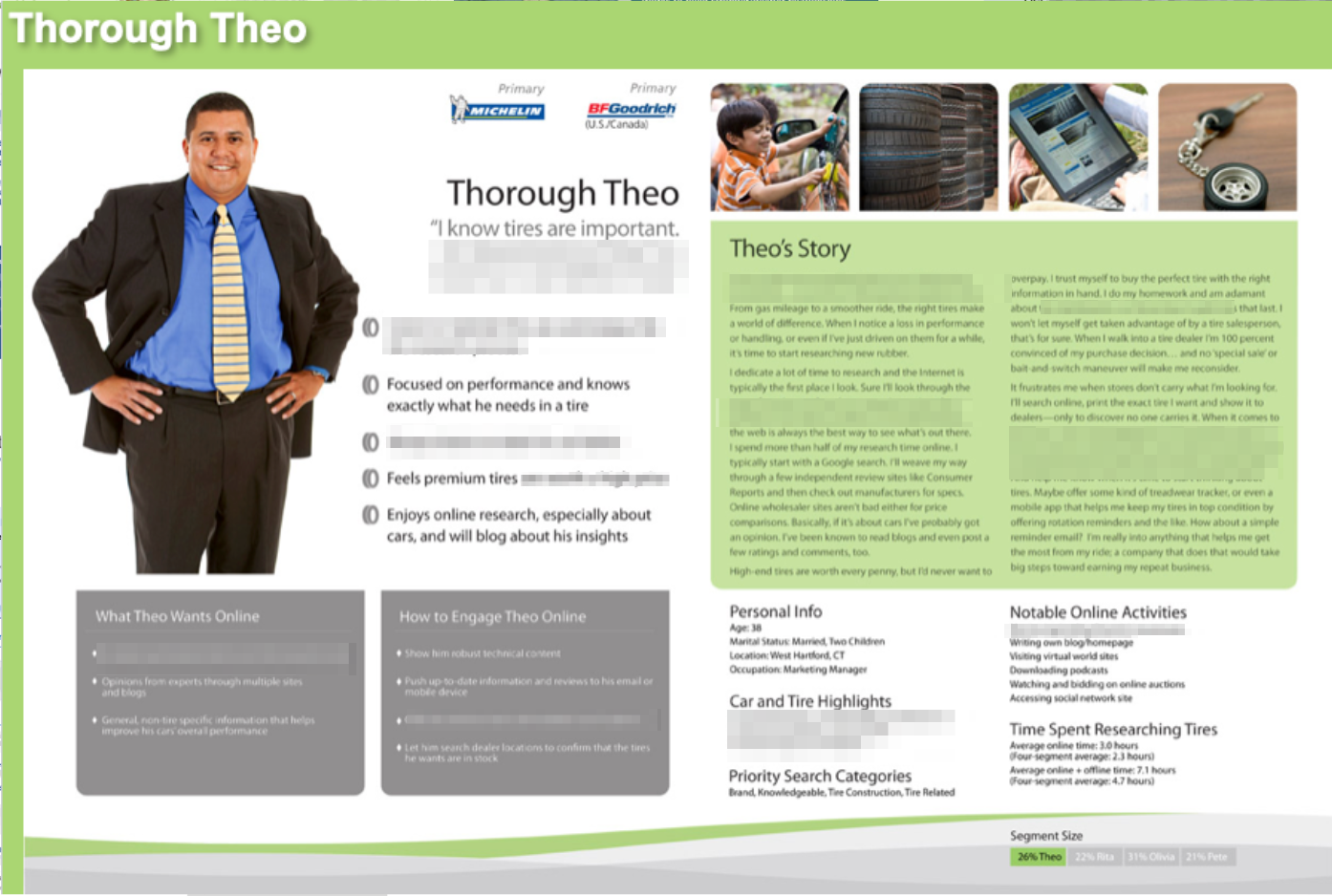
Michelin makes tires but doesn't sell them directly to customers. While competitors with tire stores could observe how people shopped, Michelin was making educated guesses about customer behavior—and spending millions on those guesses.

Our approach:

Michelin was marketing to consumers, but our research revealed the real decision happened at the tire shop counter where salespeople could easily steer customers toward cheaper alternatives. Following real customers through their buying journey across three countries, we found Michelin needed to give consumers enough conviction before they walked into the store—so they'd resist the counter-sale. This insight shifted the entire marketing strategy from brand awareness to purchase confidence, resulting in 35% better performance with 10% less spend.

The business impact:

  • Michelin reorganized their entire North American marketing team around what customers actually do
  • Decreased marketing spend by 10% while getting 35% better results
  • Built a new way to track customer data that keeps them ahead of competitors
Michelin case study artifact

Related engagements

Case study visual
Built a two-sided marketplace that simplified home repairs while doubling technician productivity
Reduced repair time from days to hours
Homeowners waited days for estimates while technicians were only billable 35% of the time—we solved both problems with AI-powered diagnostics and intelligent workflows.
Case study visual
Designed an AI platform that transformed data discovery and expert connection
40% increase in collaboration
The AI platform didn't just find data—it found the experts who understood it, unlocking global collaboration that was previously invisible.
Case study visual
Strategic research and design that served researchers, data owners, and developers
Helped secure millions in funding
We found the overlooked user segment—wet lab scientists who couldn't code—and designed a platform that worked for everyone.
See more

Ready to see similar results?

Let's talk about what you're working on.

Start a conversation